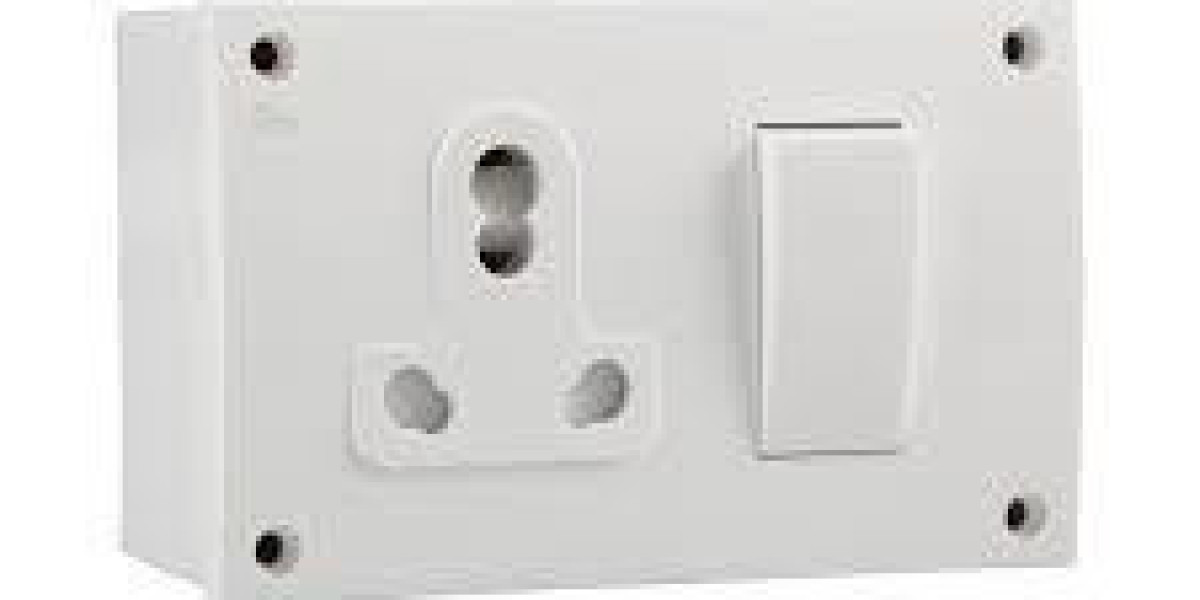

Modern electrical infrastructure requires careful planning to ensure safety, durability, and convenient access to power. During system layout, engineers often position a Socket Box in the middle of distribution routes so technicians can easily connect equipment without long cable runs. In many industrial and commercial projects, installing a Socket Box properly helps protect wiring, improve electrical safety, and simplify maintenance across the entire power network.
Outdoor and semi-industrial environments expose electrical systems to dust, moisture, and mechanical stress. Because of these challenges, the enclosure used to house electrical sockets must provide adequate protection while maintaining accessibility. Selecting the correct enclosure, installing it correctly, and maintaining it regularly are all essential steps for achieving reliable power distribution.
Understanding the role of electrical enclosures
Electrical enclosures play a critical role in protecting internal components from environmental hazards and accidental contact. Without proper housing, wiring and electrical terminals are vulnerable to water, dirt, and mechanical damage, all of which can cause short circuits or system failure.
A well-designed enclosure ensures that electrical components remain stable and secure while maintaining safe access for authorized technicians. The enclosure also prevents unauthorized contact with live electrical parts, reducing the risk of electrical accidents.
Another important advantage is organization. By centralizing power connections within a protected housing, electrical layouts remain cleaner and easier to manage. This simplifies troubleshooting and maintenance when system adjustments are required.
Environmental protection and durability
Electrical installations often face environmental challenges that affect long-term reliability. Moisture infiltration, temperature changes, and ultraviolet radiation can gradually degrade electrical components if they are not adequately protected.
To address these issues, modern enclosures are manufactured using durable materials such as reinforced thermoplastics or corrosion-resistant metals. These materials provide both mechanical strength and environmental protection.
Ingress protection ratings are also essential for outdoor and industrial applications. Higher ratings indicate stronger protection against dust and water penetration. Selecting the correct protection level ensures that the enclosure can perform reliably under specific environmental conditions.
In addition, proper sealing components such as gaskets and cable glands help maintain the enclosure’s protective barrier. When installed correctly, these components prevent moisture and debris from entering the enclosure.
Nante Socket Box design and engineering features
Product design plays a significant role in determining how well an enclosure performs in demanding environments. Manufacturers such as Nante focus on creating solutions that combine safety, durability, and ease of installation.
Advanced enclosure designs typically include waterproof covers, secure locking mechanisms, and durable mounting structures. These features help protect electrical connections from weather exposure and mechanical damage.
Many modern products also integrate cable management features that simplify wiring during installation. Pre-designed entry points for cables allow electricians to maintain a neat wiring layout while preserving environmental protection.
Another key design factor is accessibility. Well-designed enclosures allow technicians to perform inspections and maintenance tasks quickly without compromising safety or protection.
Installation guidelines and safety procedures
Proper installation is essential for ensuring the long-term reliability of electrical systems. The first step is selecting a stable mounting surface capable of supporting the enclosure and its internal components.
Installers should also consider the location carefully. Mounting electrical enclosures at an appropriate height protects them from flooding, physical impact, or accidental interference.
Electrical wiring must be connected according to the appropriate voltage and load requirements. Using cables with suitable insulation and current ratings helps prevent overheating and ensures stable power distribution.
Cable entry points must be sealed with waterproof fittings to maintain the enclosure’s protection rating. After wiring is completed, technicians should perform electrical testing to verify grounding continuity, voltage stability, and safe circuit operation.
Clear labeling of circuits and connections also improves maintenance efficiency and reduces the risk of operational mistakes during future repairs.
Maintenance and long-term performance
Regular inspection is one of the most effective ways to maintain electrical infrastructure. Over time, environmental exposure can affect seals, connectors, and mounting components.
Routine maintenance typically includes checking sealing gaskets, tightening cable glands, and inspecting electrical connections for signs of corrosion or overheating. If any components show signs of wear, replacing them early can prevent more serious failures.
In high-load environments, thermal imaging can be used to detect abnormal temperature increases in electrical connections. Identifying overheating points early allows technicians to correct loose connections or overloaded circuits before they become safety hazards.
Preventive maintenance programs also help reduce downtime by ensuring that electrical equipment remains reliable throughout its operational life.
Future expansion and infrastructure planning
As buildings and industrial facilities evolve, electrical infrastructure must be able to adapt. Designing installations with expansion in mind helps avoid expensive modifications later.
Providing additional conduit pathways, leaving space for future enclosures, and planning flexible wiring routes can simplify future upgrades. This forward-thinking approach ensures that new equipment can be connected without disrupting existing systems.
Planning for scalability also improves long-term cost efficiency by reducing the need for repeated structural modifications.
Conclusion
Reliable electrical installations depend on proper planning, high-quality equipment, and consistent maintenance. By selecting durable enclosures, following correct installation procedures, and performing regular inspections, engineers and technicians can maintain safe and efficient power distribution systems.For more detailed product information and technical specifications, please visit the official product page:
https://www.nante.com/product/