Hairline loss can significantly affect confidence and personal image, especially when it changes the natural shape and density of textured hair. For individuals with curly or coiled hair patterns, restoring a natural-looking hairline requires more than a standard approach. The structure of the hair follicle, the angle of growth, and the curl pattern all play a critical role in achieving seamless results.
African American hair transplants are designed with these unique characteristics in mind. Rather than applying a one-size-fits-all method, specialists use customized techniques to recreate soft, natural hairlines that blend perfectly with existing hair. With modern advancements in hair restoration, patients today can achieve realistic density and long-term growth while maintaining the integrity of their natural curl pattern.
Understanding the Unique Structure of Textured Hair
Textured hair differs from straight or wavy hair in both visible curl pattern and follicle shape beneath the scalp. In many cases, the follicle itself has a curved or elliptical structure. This curvature continues beneath the skin, making extraction and implantation more complex than in other hair types.
Because the hair grows in curved angles, precision is critical during every step of the procedure. The direction, depth, and placement of each graft must be categorized with the natural growth pattern to avoid an artificial presence. Even slight miscalculations can affect how the hair lies once it grows out.
These structural differences explain why experience with textured hair is essential. A careful, individualized approach ensures that transplanted follicles maintain their curl definition and integrate smoothly with surrounding hair, creating a balanced and authentic hairline.
Challenges in Restoring Natural Hairlines
Restoring a natural hairline involves both medical precision and artistic design. For patients with textured hair, several challenges must be considered. First, extracting curved follicles requires skill to prevent damage beneath the scalp. Second, the density must be distributed strategically to mimic how natural curls create volume.
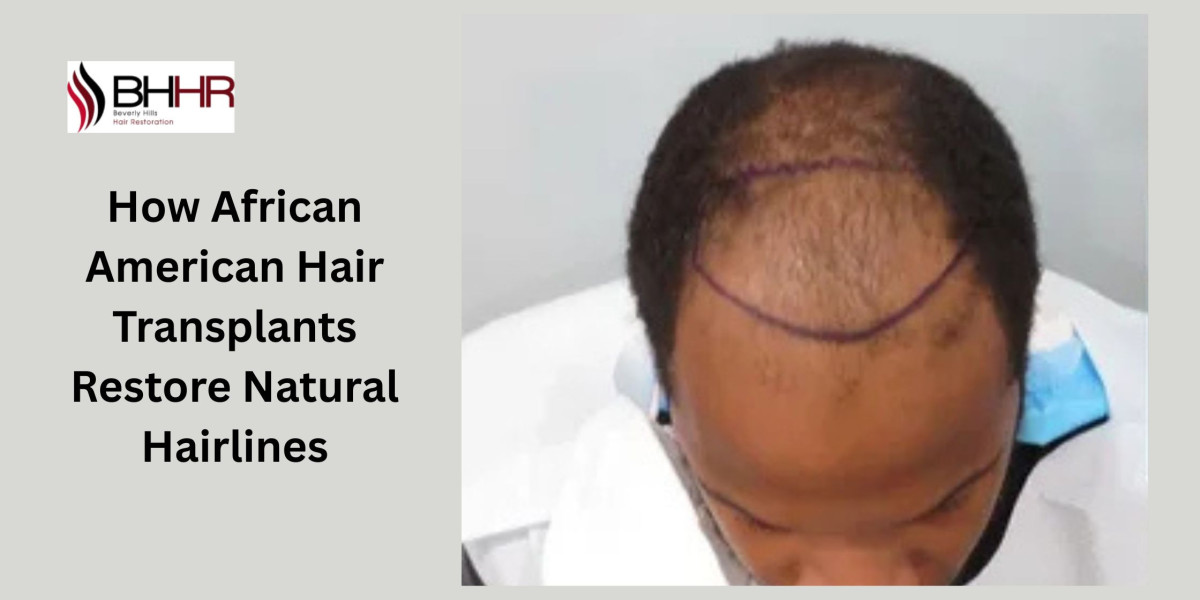
Another important factor is hairline design. A natural hairline is rarely straight or overly sharp. It typically features subtle irregularities and gradual transitions. Recreating this effect requires attention to facial proportions, age, and existing hair patterns.
Additionally, textured hair often provides excellent visual coverage due to its curl and volume. This means fewer grafts may achieve fuller-looking results when placed correctly. Careful planning helps ensure that the final outcome looks natural rather than overly dense or artificial.
How Modern Techniques Create Natural Results
Advancements in hair restoration technology have significantly improved outcomes for textured hair. Modern Follicular Unit Extraction (FUE) techniques allow surgeons to remove individual follicles with greater precision, reducing trauma and supporting healthy regrowth.
During implantation, grafts are strategically placed to follow the natural curl direction. The angle and depth of each follicle are carefully controlled so that new growth blends seamlessly with existing hair. This level of detail is essential in procedures involving textured hair patterns.
Todays methods also emphasize customized hairline mapping. Surgeons evaluate facial symmetry, forehead shape, and long-term hair loss patterns before designing the new hairline. When performed correctly, African American hair transplants can recreate soft edges and natural density that look authentic both up close and from a distance.
The Importance of Surgeon Experience
Experience plays a defining role in achieving successful results. Textured hair requires a deep understanding of how curved follicles behave during extraction and implantation. Without proper technique and skills, there is a higher risk of graft damage or unnatural growth angles.
An experienced surgeon evaluates donor hair quality, scalp condition, and long-term hair stability before recommending treatment. This ensures that the restoration plan supports sustainable, natural growth. The artistic aspect is equally important. Designing a hairline involves balancing density, shape, and subtle irregularities that mirror natural development.
When technical skill and aesthetic judgment come together, the results can be transformative. A well-executed procedure not only restores hair but also enhances facial harmony and boosts overall confidence.
Why Choose BHHR for Textured Hair Restoration
Choosing a clinic with proven expertise in textured hair restoration is essential for optimal results. BHHR (Beverly Hills Hair Restoration) specializes in advanced solutions tailored to diverse hair types, including curly and coiled textures. Their approach focuses on preserving follicle integrity while designing hairlines that look completely natural.
By combining modern extraction techniques with artistic hairline planning, BHHR ensures that every graft is placed with precision. The clinic emphasizes individualized consultations, allowing each treatment plan to reflect the patients hair pattern, density goals, and long-term expectations.
Their expertise in textured restoration means patients receive care specifically designed for their unique hair structure, rather than a generalized approach. This specialized focus significantly improves the likelihood of achieving seamless, long-lasting results.
Recovery, Results, and Long-Term Expectations
Recovery after a hair restoration is typically straightforward when post-procedure instructions are carefully followed. Mild redness or sensitivity may occur initially, but most patients return to regular routines within a short period.
Newly transplanted hair usually sheds within the first few weeks, which is a normal part of the growth cycle. Visible regrowth generally begins within a few months, with continued improvement over time. Because textured hair naturally creates volume, results often appear fuller as curls develop and mature.
Long-term success depends on proper scalp care and realistic expectations. With skilled execution and consistent follow-up, African American hair transplants can provide permanent, natural-looking hairline restoration that enhances both appearance and self-confidence.
Conclusion
Restoring a natural hairline requires more than simply relocating hair follicles. For individuals with textured hair, it demands technical precision, artistic design, and a deep understanding of curl patterns. From careful extraction to strategic implantation, every step plays a role in achieving authentic results.
With modern advancements and specialized expertise, African American hair transplants offer a reliable solution for recreating soft, natural hairlines that blend seamlessly with existing hair. When performed by experienced professionals, the outcome is not only restored hair but renewed confidence and long-term satisfaction.