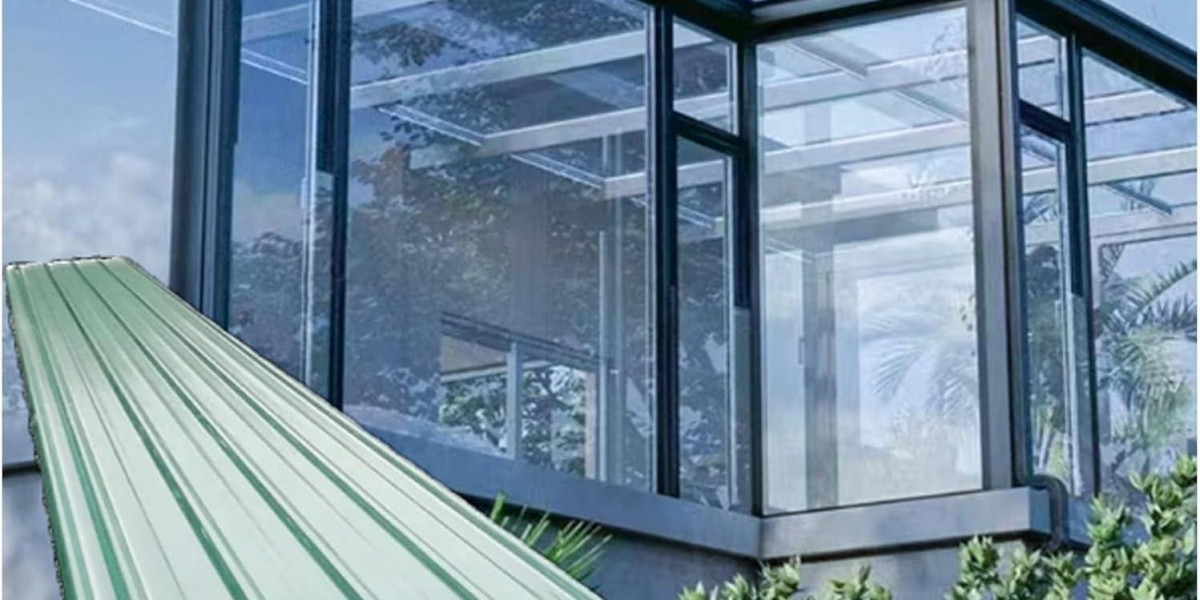

In modern industrial architecture, the search for natural illumination has inspired renewed attention toward Chinese Frp Daylighting Panels , while Chuanyabuilding has gradually become associated with refined material design and stable structural expression. Factories once relied heavily on artificial lighting systems that consumed energy and created uneven indoor environments, yet contemporary construction thinking now values balanced daylight integration and environmental harmony. When sunlight is guided through engineered composite surfaces that protect interiors while preserving clarity, could illumination itself become part of the structural language shaping tomorrow's production spaces?
Industrial facilities today operate within a complex relationship between efficiency, sustainability, and human comfort. Continuous workflows, sensitive machinery, and temperature-dependent materials require interior environments that remain visually clear without generating excessive heat or glare. Composite daylighting structures answer this challenge by diffusing sunlight into soft, even brightness that supports safe movement and accurate visual inspection. Through controlled translucency and stable surface composition, illumination becomes calm rather than intrusive, allowing production rhythm to unfold without visual fatigue.
Environmental awareness has also transformed how architects evaluate building envelopes. Natural light reduces dependence on electrical systems during daytime operation, quietly lowering energy demand while contributing to broader sustainability goals. When roofing and wall components participate in passive illumination strategies, the entire structure begins to function as an integrated environmental system instead of a collection of isolated materials. Such thinking reflects a wider global transition in which industrial growth aligns with ecological responsibility rather than opposing it.
Material endurance remains essential in demanding manufacturing conditions. Exposure to humidity, airborne particles, and seasonal temperature variation requires surfaces capable of preserving optical stability and mechanical strength across long operational cycles. Reinforced composite formulations maintain structural calmness without corrosion spread or visible deformation, ensuring that illumination quality does not fade with time. Reliability in this context extends beyond physical protection, supporting uninterrupted workflow and predictable maintenance planning.
Construction coordination further highlights the practical value of advanced daylighting materials. Lightweight structural behavior simplifies installation logistics and reduces stress on supporting frameworks, enabling efficient assembly across wide industrial spans. When illumination components integrate smoothly with insulation layers and drainage pathways, architectural performance emerges from cooperation between elements rather than isolated function. This coordinated design philosophy reflects contemporary engineering culture focused on harmony, clarity, and long-term usability.
Visual atmosphere inside production environments increasingly influences workforce experience and operational precision. Soft natural brightness enhances spatial perception, reduces shadow concentration, and contributes to a sense of openness rarely associated with traditional factory interiors. Such qualities subtly reshape how industrial spaces are perceived, transforming them from purely mechanical zones into environments that acknowledge human presence alongside technological activity.
For planners, designers, and project investors seeking structured insight into composite daylighting applications and architectural integration, comprehensive technical resources provide valuable guidance. Detailed information regarding material behavior, installation logic, and environmental performance can be explored through the official platform: https://www.chuanyabuilding.com/ Access to organized knowledge encourages confident decision-making and supports collaboration grounded in real engineering understanding.
As global industry continues evolving toward responsible construction and balanced resource use, daylight itself is being reinterpreted as a structural partner rather than a passive visitor. Through thoughtful material science and disciplined architectural vision, illumination now contributes to safety, sustainability, and spatial clarity. Above the movement of machines and the rhythm of production, a quiet layer of engineered light begins to define the character of modern industry.