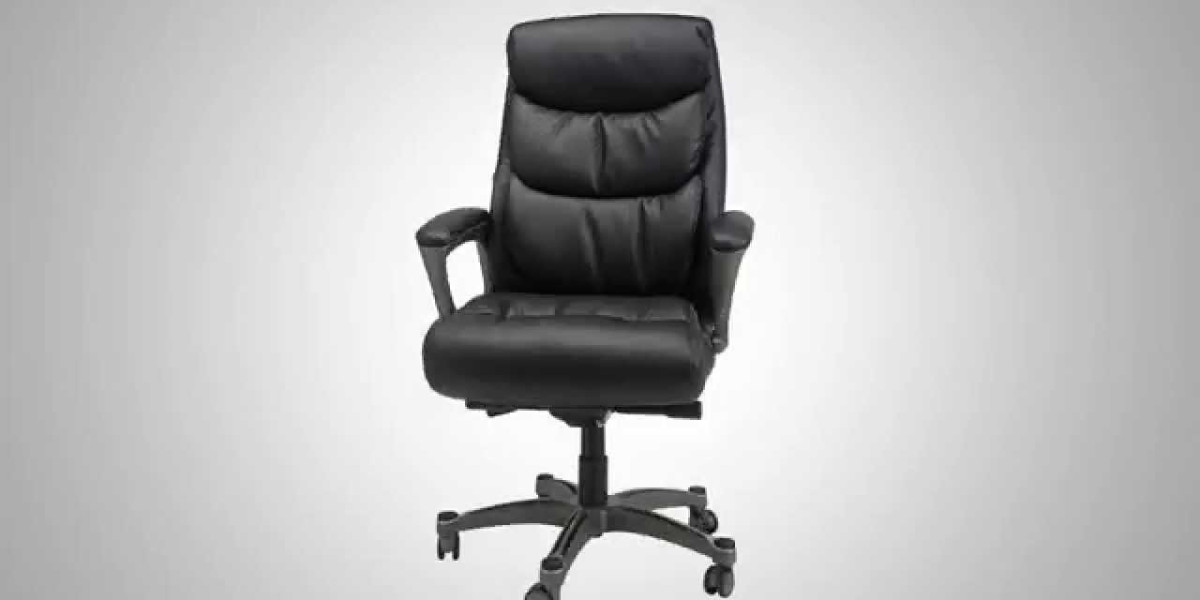

An office chair is one of the most important investments any workspace can make, yet it is often overlooked. Employees spend long hours seated, and the quality of their seating directly affects comfort, posture, productivity, and even long-term health. A well-designed office chair supports the natural curve of the spine, reduces strain on muscles, and encourages better working habits. In modern offices where efficiency and employee well-being go hand in hand, choosing the right office chair is no longer optional but essential for sustainable performance and professional work culture.
Why an Ergonomic Office Chair Matters
An ergonomic office chair is designed to adapt to the human body rather than forcing the body to adapt to the chair. Proper lumbar support, adjustable height, armrests, and seat depth help maintain a neutral sitting position. When employees use ergonomically designed seating, they experience fewer back problems, reduced neck strain, and improved circulation. Over time, this leads to fewer sick days, better focus, and higher job satisfaction. Ergonomic office chairs are especially important in roles that require prolonged desk work, as they help prevent chronic pain and repetitive strain injuries.
Impact of Office Chairs on Employee Productivity
Productivity is closely linked to comfort. An uncomfortable chair can distract employees, causing frequent breaks, poor posture, and reduced concentration. A supportive office chair allows employees to remain focused on tasks without discomfort. When seating promotes proper alignment, workers can maintain energy levels throughout the day. Businesses that invest in high-quality office chairs often see improved efficiency, as employees feel more comfortable, engaged, and motivated to perform their best.
Key Features to Look for in an Office Chair
Selecting the right office chair involves understanding essential features that contribute to comfort and usability. Adjustable seat height ensures that feet rest flat on the floor, promoting healthy posture. Lumbar support maintains the natural curve of the lower back, while adjustable armrests reduce shoulder and wrist strain. Breathable materials help regulate body temperature, especially in warm environments. Swivel bases and smooth-rolling casters improve mobility, allowing employees to move easily without unnecessary strain. These features together create a seating solution that supports both comfort and productivity.
Different Types of Office Chairs for Modern Workspaces
Office environments vary, and so do seating needs. Task chairs are ideal for individual workstations, offering basic ergonomic support for daily tasks. Executive chairs provide enhanced cushioning, premium materials, and a professional appearance, making them suitable for managerial roles. Mesh office chairs are popular for their breathability and modern design, while conference chairs are designed for meeting rooms with a focus on style and short-term comfort. Understanding these options helps businesses choose the most appropriate office chair for each area of the workspace.
Role of Office Chairs in Office Aesthetics
Beyond functionality, an office chair contributes to the overall visual appeal of a workplace. Sleek designs, modern materials, and coordinated colors can elevate the office interior and reinforce brand identity. A well-designed office chair complements desks, flooring, and lighting, creating a cohesive and professional environment. Clients and visitors often notice these details, and a thoughtfully furnished office leaves a strong impression of professionalism and attention to quality.
Health Benefits of Investing in the Right Office Chair
Health is a long-term consideration when choosing office seating. Poor-quality chairs can lead to back pain, neck stiffness, and poor circulation. In contrast, a supportive office chair promotes proper posture and reduces stress on joints and muscles. Over time, this can help prevent musculoskeletal disorders and improve overall well-being. Businesses that prioritize employee health through proper seating demonstrate care for their workforce, which can improve morale and retention.
Office Chairs and Long-Term Cost Efficiency
While high-quality office chairs may require a higher initial investment, they often prove more cost-effective in the long run. Durable materials, strong construction, and ergonomic design reduce the need for frequent replacements. Additionally, healthier and more comfortable employees are less likely to take sick leave or suffer from work-related injuries. Investing in the right office chair can therefore lower long-term costs while improving productivity and workplace satisfaction.
Choosing Office Chairs for Hybrid and Home Offices
With the rise of remote and hybrid work models, the importance of a good office chair extends beyond traditional office spaces. Home offices require seating that offers the same level of support as corporate environments. Employees working from home benefit greatly from ergonomic office chairs that help maintain productivity and health. Providing guidance or support for home office seating shows adaptability and commitment to employee well-being in evolving work environments.
Sustainability and Material Choices in Office Chairs
Modern businesses are increasingly conscious of sustainability, and office furniture plays a role in this effort. Many office chairs are now made using eco-friendly materials, recyclable components, and sustainable manufacturing processes. Choosing such options helps reduce environmental impact while maintaining quality and comfort. Sustainable office chairs align with corporate social responsibility goals and appeal to environmentally conscious employees and clients alike.
Making the Right Office Chair Decision
Selecting the ideal office chair requires balancing comfort, functionality, aesthetics, and budget. Testing chairs, understanding employee needs, and considering long-term use are crucial steps in the decision-making process. A well-chosen office chair enhances daily work experiences, supports health, and contributes to a professional and productive environment.
Conclusion
In today’s fast-paced work culture, the importance of a well-designed office chair cannot be overstated. It supports employee health, boosts productivity, enhances office aesthetics, and offers long-term value for businesses. By investing in the right seating solutions and prioritizing ergonomics and quality, companies create a more comfortable and efficient workplace. A thoughtful approach to office seating reflects professionalism and care, and with the right choice from office chair, businesses can build work environments that truly support success.