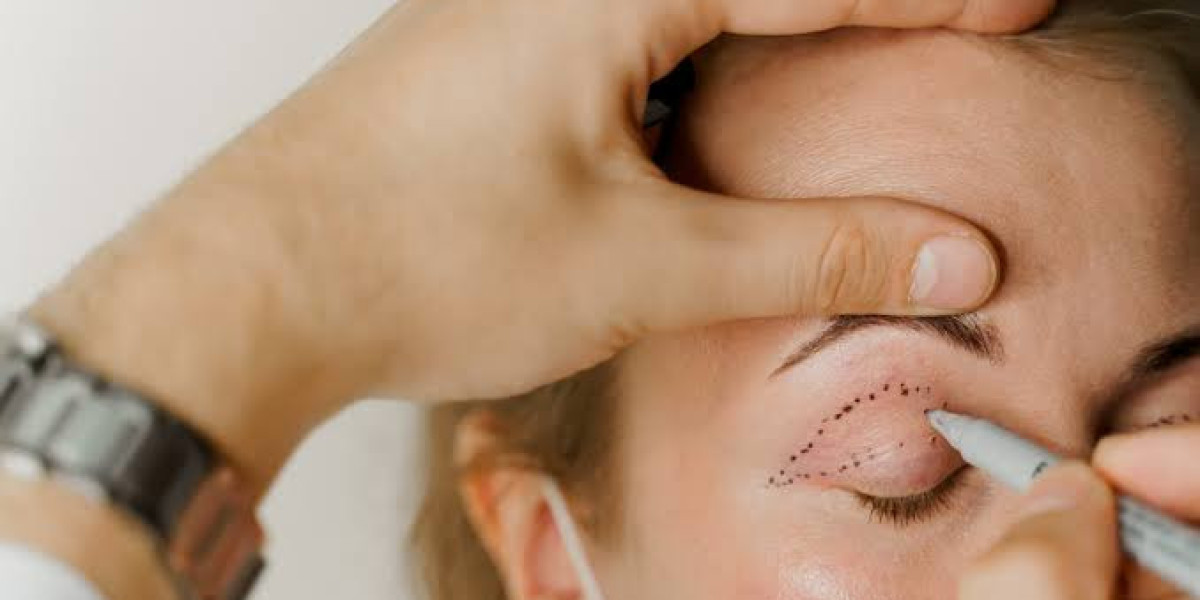

Lower eyelid concerns, such as under-eye bags, loose skin, and a tired appearance, can influence how a person feels about their overall facial appearance. Understanding the factors involved in lower eyelid surgery helps individuals make informed decisions about their aesthetic goals, treatment options, and recovery expectations. Although Eyelid Surgery Dubai Price is a common search term, the most important starting point is understanding the procedure, the condition of the lower eyelids, and the techniques that may be suitable for individual needs. A personalised approach helps ensure that the treatment plan focuses on natural-looking results, facial balance, and long-term satisfaction.
Understanding Lower Eyelid Surgery
Lower eyelid surgery, also known as lower blepharoplasty, is a cosmetic procedure designed to address visible changes beneath the eyes. These changes may include prominent fat pockets, loose skin, and an uneven transition between the lower eyelids and cheeks. The procedure aims to create a smoother, fresher appearance while maintaining the person's natural facial characteristics.
The lower eyelid area has delicate skin, muscles, and supporting tissues. Therefore, careful assessment is essential before selecting a surgical technique. The appropriate approach depends on the individual's anatomy, skin elasticity, degree of under-eye fullness, and desired outcome.
Main Factors That Influence Treatment Planning
Several factors determine which surgical approach may be appropriate for lower eyelid concerns. Each individual has different facial features, so the treatment plan should reflect their specific needs rather than follow a standard method.
Skin Elasticity and Loose Skin
Skin elasticity plays an important role in determining how the lower eyelids may respond to surgery. Individuals with excess skin may require a technique that carefully removes or redistributes the loose tissue. Those with relatively firm skin and prominent under-eye fat may be suitable for a different approach.
The goal is to improve the appearance of the lower eyelids without removing excessive tissue. Maintaining adequate skin support helps preserve a natural eyelid contour.
Under-Eye Fat Pockets
Fat pockets can create puffiness beneath the eyes, making the face appear tired even when a person feels well-rested. Lower eyelid surgery may involve removing a limited amount of protruding fat or repositioning it to create a smoother transition between the eyelids and cheeks.
The appropriate method depends on the distribution of fat and the surrounding facial structure. A balanced approach can help avoid an overly hollow appearance.
Age and Facial Anatomy
Age-related changes can affect skin firmness, muscle tone, and the position of the tissues around the eyes. However, age alone does not determine suitability for lower eyelid surgery.
Some younger individuals experience hereditary under-eye bags, while older individuals may have a combination of loose skin and tissue changes. A detailed assessment helps identify the concerns that surgery can realistically address.
Both Main Types of Lower Eyelid Surgery
Two commonly used approaches are transconjunctival lower blepharoplasty and transcutaneous lower blepharoplasty. Both are intended to improve the lower eyelid area, but they differ in incision placement and the concerns they are designed to address.
Transconjunctival Lower Blepharoplasty
Transconjunctival lower blepharoplasty involves making an incision on the inner surface of the lower eyelid. This approach is often considered when under-eye fullness is primarily caused by prominent fat pockets and there is little excess skin requiring removal.
Because the incision is inside the eyelid, there is no external skin incision along the lower lash line. The technique can be suitable for individuals whose skin remains relatively firm and elastic.
Potential benefits include:
Addressing prominent under-eye fat pockets.
Avoiding an external incision on the lower eyelid skin.
Preserving the natural appearance of the eyelid contour.
Supporting a smoother transition between the lower eyelids and cheeks.
Suitability depends on the individual's anatomy and the surgeon's assessment. This technique does not directly remove excess external skin.
Transcutaneous Lower Blepharoplasty
Transcutaneous lower blepharoplasty involves an incision through the skin, commonly positioned just below the lower eyelashes. It may be considered when under-eye bags occur alongside loose skin or other visible tissue changes.
Through this approach, the surgeon can address selected skin and underlying tissue concerns. Depending on the individual's needs, the procedure may include careful fat removal or repositioning to improve the lower eyelid contour.
Potential benefits include:
Addressing excess lower eyelid skin.
Improving the appearance of prominent fat pockets.
Creating a smoother contour beneath the eyes.
Supporting a more refreshed and balanced facial appearance.
The technique requires careful planning because the lower eyelid must retain adequate support and function. The choice should reflect the person's skin condition, eyelid position, and overall facial anatomy.
The Importance of a Personalised Surgical Approach
Lower eyelid surgery is not a one-size-fits-all procedure. The most suitable technique depends on the primary concern and the condition of the surrounding tissues.
A personalised assessment generally considers:
The amount of excess skin beneath the eyes.
The location and prominence of fat pockets.
Lower eyelid firmness and support.
Existing asymmetry between the eyes.
General health and suitability for surgery.
The individual's expectations and aesthetic preferences.
These factors help establish realistic treatment goals and guide the selection of an appropriate surgical method.
Benefits of Lower Eyelid Surgery
When carefully planned for a suitable candidate, lower eyelid surgery may improve the appearance of the under-eye area while preserving individual facial characteristics.
A Fresher Facial Appearance
Reducing prominent under-eye bags may help the face appear less tired. The aim is not to change the person's identity but to create a more rested appearance.
A Smoother Under-Eye Contour
Careful management of excess fat and loose skin may reduce unevenness beneath the eyes. A smoother contour can also improve the visual transition between the eyelids and cheeks.
Greater Confidence in Personal Appearance
Some individuals feel more comfortable with their appearance after addressing concerns that have bothered them for years. Realistic expectations and an understanding of the procedure can support greater satisfaction with the decision.
What Happens During the Procedure?
The process begins with an assessment of the lower eyelids, facial anatomy, medical history, and treatment goals. The surgical team determines whether an internal or external incision approach is appropriate and explains the planned procedure.
The operation generally involves anaesthesia selected according to the individual's needs and the surgical plan. The surgeon then accesses the relevant tissues, removes or repositions fat when indicated, and addresses excess skin if required. The incisions are managed according to the selected technique.
The length and details of the procedure vary depending on its complexity. Before surgery, individuals should understand the proposed approach, expected recovery period, and limitations of the treatment.
Recovery and Expected Results
Recovery varies according to the surgical technique, the extent of treatment, and individual healing patterns. Temporary swelling, bruising, and tightness may occur during the initial healing period. The under-eye area gradually settles as the tissues recover.
Following the surgical team's instructions is important for supporting healing. Individuals should attend scheduled follow-up appointments and seek professional advice if they have concerns during recovery.
Final results may take several weeks or longer to become fully apparent as swelling continues to resolve. Although surgery can improve selected structural concerns, it cannot stop the natural ageing process or address every cause of dark circles and under-eye discoloration.
Frequently Asked Questions
Who May Be Suitable for Lower Eyelid Surgery?
Individuals with persistent under-eye bags, excess lower eyelid skin, or visible changes in the lower eyelid contour may be potential candidates. Suitability depends on their anatomy, general health, eye health, and expectations.
Which Lower Eyelid Surgery Technique Is Appropriate?
Transconjunctival surgery may be considered when prominent fat pockets are the main concern and excess skin is limited. Transcutaneous surgery may be more appropriate when loose skin also needs to be addressed. A qualified surgeon determines the most suitable approach after an examination.
Does Lower Eyelid Surgery Remove Dark Circles?
The procedure may improve shadows caused by prominent fat pockets or an uneven under-eye contour. However, dark circles caused by pigmentation, thin skin, or other factors may remain because surgery does not address every underlying cause.
How Long Do the Results Last?
Results can be long-lasting, particularly when the main concern is structural under-eye fullness. Nevertheless, ageing, skin changes, and other natural processes continue over time, so the appearance of the area may gradually change.
What Should Individuals Discuss Before Surgery?
Individuals should discuss their goals, medical history, eye health, surgical technique, expected results, recovery requirements, and potential limitations. Clear communication helps establish realistic expectations before proceeding.
Conclusion
Lower eyelid surgery can be an option for individuals who want to address under-eye bags, loose skin, and an uneven eyelid contour. Understanding both transconjunctival and transcutaneous techniques helps explain why the choice of procedure depends on skin elasticity, fat distribution, eyelid support, and individual aesthetic goals. A thorough professional assessment, realistic expectations, and careful treatment planning are essential for achieving a balanced and natural-looking result. By focusing on individual needs and the underlying causes of under-eye concerns, individuals can make informed decisions about their treatment journey and work towards a refreshed appearance that complements their natural facial features.