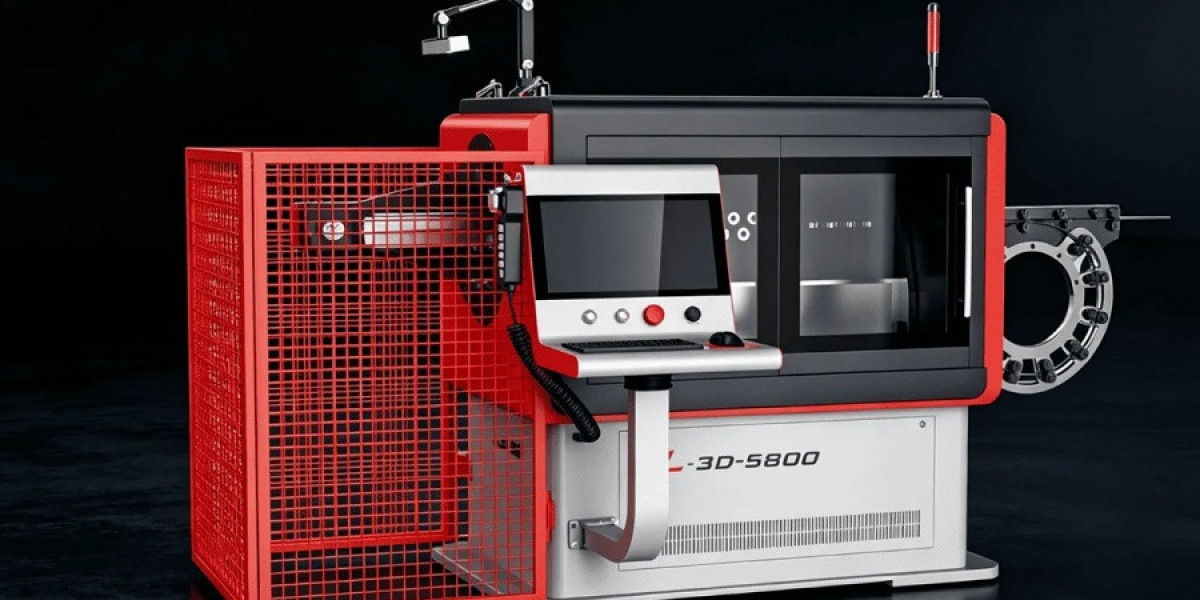

A busbar bending machine is designed to shape copper or aluminum busbars used in electrical distribution systems. What makes this equipment interesting is how it transforms a traditionally labor‑intensive task into a precise, repeatable, and safer process. In my experience observing fabrication workshops, the difference between manual bending and machine‑assisted bending is dramatic—especially when consistency and tight tolerances matter.Get more news about busbar bending machine,you can vist our website!
Key Features That Define a Quality Busbar Bending Machine
Precision Bending Control
The first thing that stands out is the machine’s ability to deliver accurate angles. Manual bending often leads to slight deviations, but a dedicated busbar bending machine uses controlled hydraulic or servo systems to ensure each bend matches the design exactly. This precision becomes crucial when busbars must fit into compact switchgear or distribution cabinets.
Multiple Processing Capabilities
Many machines today combine bending with cutting and punching, forming a compact workstation. This integration reduces the need to move heavy busbars between different tools, improving workflow efficiency. In workshops I’ve visited, operators appreciate how this reduces handling time and minimizes mistakes caused by repositioning.
Adjustable Dies and Tooling
A good machine offers a variety of dies to accommodate different busbar thicknesses and widths. This flexibility is essential because electrical projects rarely use a single busbar size. The ability to switch tooling quickly keeps production moving without long pauses.
Sturdy Build and Safety Design
Busbars are rigid and require significant force to bend. That’s why machines are built with reinforced frames and stable hydraulic systems. Safety guards, emergency stops, and clear operator panels also play a major role. I’ve noticed that shops with older manual tools often struggle with operator fatigue and safety concerns—issues that modern machines largely solve.
What It Feels Like to Use One
From a user’s perspective, operating a busbar bending machine is surprisingly straightforward. The control panel typically allows angle input, bend sequence setup, and real‑time monitoring. Once the busbar is positioned, the machine handles the heavy work. The smooth bending motion, especially on servo‑driven models, gives a sense of confidence that the final product will match the blueprint.
Another detail I appreciate is how clean the bends look. There’s no warping, no uneven edges, and no guesswork. For anyone who values craftsmanship, this level of consistency is satisfying.
Personal Evaluation: Strengths and Limitations
Strengths
Efficiency: A single operator can complete tasks that previously required two or three people.
Accuracy: Perfect for projects where tight tolerances are non‑negotiable.
Versatility: Machines handle various busbar sizes and materials.
Safety: Reduced physical strain and lower risk of bending‑related injuries.
Limitations
Initial Investment: Quality machines are not cheap, which may challenge small workshops.
Space Requirements: Larger models need dedicated floor space.
Learning Curve: Although simple to operate, mastering advanced settings takes time.
Buying Advice Based on Real Workshop Needs
If you’re considering a busbar bending machine, think about your typical workload. For high‑volume electrical panel production, an automated CNC model is worth the investment because it speeds up repetitive tasks and reduces human error. For smaller operations, a manual‑hydraulic machine may be sufficient and more budget‑friendly.
Pay attention to:
Bending capacity (thickness and width)
Type of drive system (hydraulic vs. servo)
Tooling options
After‑sales support and spare parts availability
In my view, the best choice is the one that balances precision, durability, and ease of use without overcomplicating daily operations.