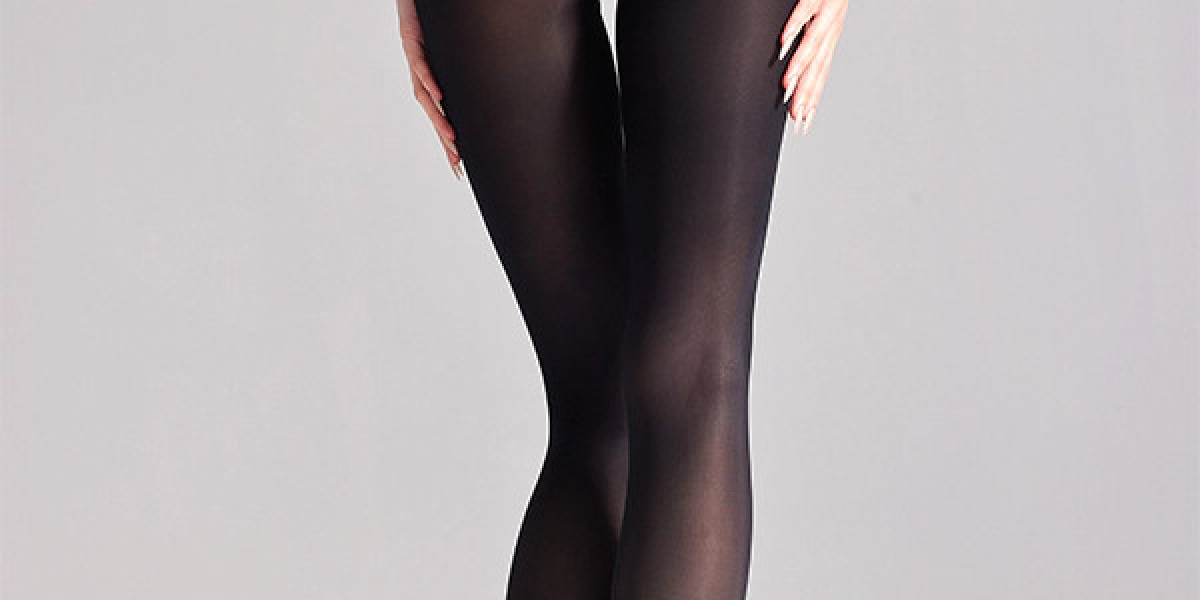

The defining feature of Sheer Holdups is their lightweight, transparent appearance, but achieving that effect involves more than using a fine yarn. The knitting structure determines how much of the leg remains visible through the fabric, while yarn selection influences softness, elasticity, surface appearance, and overall coverage. Even small changes in fabric construction can make a transparent stocking look noticeably different.
A plain knitted structure gives a relatively clean appearance, while jacquard, stripe, dot, or net patterns introduce additional visual detail. In patterned Sheer Holdups, the pattern needs to remain recognizable as the fabric stretches around the leg. A motif that looks balanced in an unstretched sample may become wider, narrower, or less defined during wear, so fabric behavior needs to be considered alongside the original design.
The upper section has a different role from the leg portion. Lace cuffs, elastic bands, and decorative waist sections can provide visual contrast while helping the stocking stay positioned on the leg. Their width, elasticity, attachment, and transition into the sheer body all influence the finished appearance. A lace cuff that looks appropriate on its own may not create the same effect once combined with a very transparent stocking body.
This is particularly relevant when developing different styles within one hosiery collection. A plain sheer leg can create a restrained appearance, while lace, dots, stripes, or jacquard structures introduce stronger decoration without changing the basic hold-up format. Glossy finishes can also alter how light reflects from the fabric, giving a different visual effect even when the underlying construction is similar.
Size and stretch should be considered during development as well. Hosiery is designed to expand with the wearer, so the finished dimensions cannot be evaluated only when the fabric is lying flat. Pattern proportions, cuff tension, and fabric recovery all contribute to how the product appears after stretching. Reviewing samples in the intended size range can help identify differences that may not be obvious from a single sample.
Finishing processes further influence the completed stocking. Dyeing affects color consistency, while shaping establishes the final form. Other finishing treatments can change the surface feel and appearance, and inspection provides an opportunity to identify irregularities before the products are packaged.
For product development, specifications such as material, color, pattern, size range, cuff design, and packaging need to remain consistent between the approved sample and subsequent production. This is especially important for repeated collections, where even a small change in pattern placement or cuff construction can make two production batches look different.
The flexibility of Sheer Holdups comes from the interaction between a transparent knitted body and different decorative structures. Lace cuffs, jacquard patterns, dots, stripes, and surface finishes can each create a different visual direction while retaining the same basic hosiery format. Understanding how these elements behave together makes it easier to develop a consistent finished product rather than treating transparency, decoration, and fit as separate design decisions.