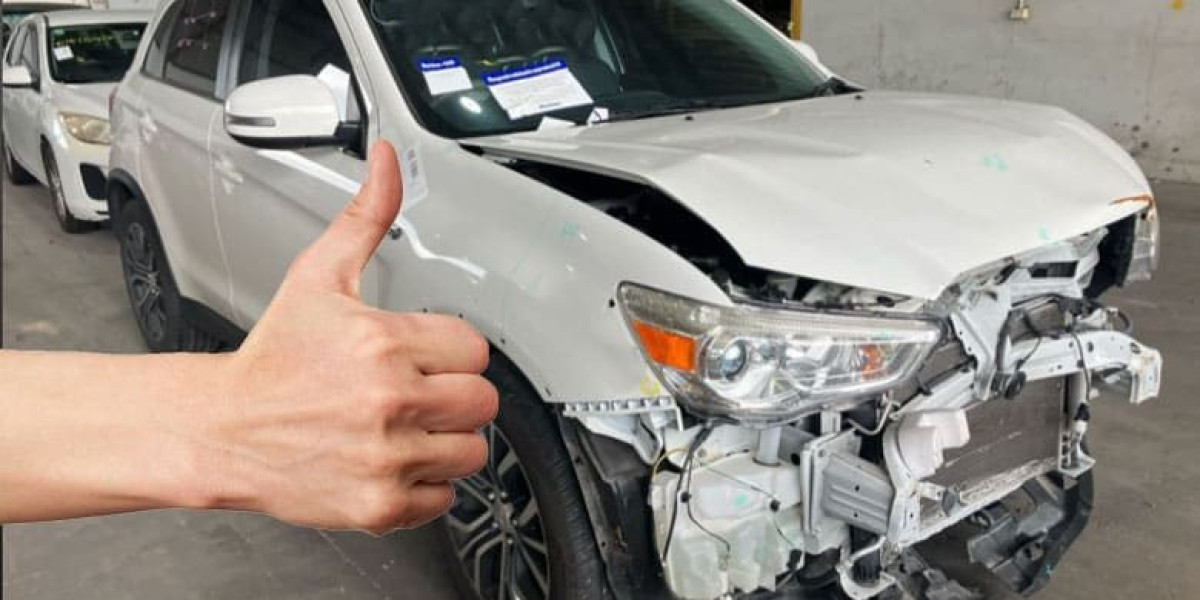

Scrap cars sit at a point where the past use of a vehicle meets the responsibility of handling waste in a careful and sensible way. Townsville has seen steady growth in the number of vehicles on the road, which means the region also handles a growing number of end-of-life cars. Many people look at a scrap car and see only metal and rust. The truth is that each old vehicle creates a chain of environmental effects that continue long after it stops running. Understanding this footprint helps the community make better choices about waste, materials, and the future of local ecosystems.
This article explores what a scrap car leaves behind, how it affects the Townsville environment, and how recycling changes the outcome. The process does more than remove old machines from driveways or paddocks. It protects land, reduces industrial demand for new materials, and helps reduce pollution. The goal here is to give readers clear information about an issue that often remains hidden in the background.
The keyword sell scrap car townsville appears here once for context, but the focus remains on the broader environmental story rather than promotion.
How Scrap Cars Become an Environmental Burden
Many people think a scrap car becomes harmless once it stops running. This is not the case. A vehicle contains materials that break down slowly, leak liquids, or release harmful substances into the environment. Townsville’s climate, with strong sun and seasonal rain, increases the speed of corrosion and the spread of contaminants.
1. Hazardous Fluids and Oils
A typical end-of-life vehicle still holds engine oil, brake fluid, coolant, transmission oil, and other liquids. These substances rarely stay contained once a car sits idle. Rust creates small openings, and seals lose strength with time. A single litre of used engine oil can contaminate a large amount of water and soil. When this happens repeatedly across abandoned or unmanaged cars, the effect becomes serious.
Townsville’s rain events can wash leaked fluids into drains, creeks, or soil where they remain for years. Waterways near urban areas face higher risk because runoff travels quickly over hard ground. Proper recycling removes these liquids and stops the spread of contaminants.
2. Corrosion and Metal Breakdown
Scrap cars left in open areas break down through exposure to air, moisture, and heat. As metal corrodes, small particles move into soil and nearby plants. While steel itself is not highly toxic, parts of the vehicle such as coatings, paints, and metal alloys can carry harmful substances. These include lead from older components, zinc from coatings, and other compounds that increase soil load.
Townsville’s coastal environment contains salt in the air, which speeds up corrosion. This means old vehicles in this region often deteriorate faster than in inland areas.
3. Plastic and Rubber Waste
The average car holds a significant amount of plastic, rubber, and synthetic materials. These parts do not break down quickly. Tyres can take decades to degrade and often release chemicals during the process. Many plastic parts become brittle in the sun and break into small pieces that settle into soil.
When the wind moves these fragments, they spread beyond the original location of the scrap car. Microplastics then enter waterways, cleaning systems, or natural habitats.
4. Battery Hazards
Vehicle batteries hold lead and acid. When a battery case cracks or leaks, the surrounding ground absorbs these chemicals. Lead remains in soil for long periods and poses a threat to plant growth and wildlife. Without controlled removal, old car batteries contribute heavily to long-term contamination.
The Broader Environmental Impact on Townsville
Townsville is known for its diverse natural environment. It includes coastal zones, mangroves, freshwater systems, and dry tropical landscapes. Each of these environments can be affected by improper handling of scrap cars.
Soil Contamination
Once pollutants enter soil, they rarely leave without remediation work. Contaminated soil can affect gardens, farms, and bushland. Heavy metals move deeper into the ground and stay there for long periods. This reduces soil health and influences the organisms that live within it.
Impact on Local Waterways
Runoff during rain carries leaked fluids, metals, and microplastics into drains that lead to creeks or coastal areas. Townsville relies on healthy waterways for marine life, recreational activities, and tourism. Pollution threatens these systems by lowering water quality and disturbing natural processes. Hassle-free car selling starts here.
Wildlife Exposure
Birds, small mammals, reptiles, and insects can come into contact with scrap cars when they search for shelter. Exposure to leaked fluids or sharp rusted metal creates risk of injury or poisoning. Natural habitats near urban edges often face the highest risk because abandoned cars are sometimes left in these areas.
How Recycling Reduces the Environmental Footprint
Recycling changes the entire story of a scrap car. When handled through a proper recycling facility, each part of the vehicle moves away from being a hazard and toward becoming a resource. The Townsville recycling process has several clear outcomes that help protect the environment.
1. Safe Removal of Hazardous Liquids
Recycling professionals drain all fluids from the vehicle in a controlled manner. These liquids are stored, transported, and processed according to environmental standards. This prevents leaks and stops harmful substances from entering soil or waterways.
The controlled removal of fluids removes one of the largest threats created by abandoned vehicles. It ensures that oils, fuel, and coolant no longer pose ongoing danger.
2. Reuse of Metal Materials
Steel and other metals from old cars hold strong value. Recycling metal uses far less energy than producing new metal from raw ore. Studies in the metal industry show that recycled steel can save up to three quarters of the energy required for new production. This reduces emissions and lessens the pressure on mining operations.
Townsville contributes to this cycle by feeding metal back into manufacturing supply chains. The more metal recycled, the lower the demand for new extraction.
3. Reduction of Landfill Waste
Recycling removes large volumes of material from the waste system. Without recycling, whole cars or their parts would fill landfill sites quickly. Metal, rubber, and plastics take long periods to degrade. When they enter landfill, they increase long-term environmental load.
By processing and sorting materials, recycling reduces pressure on local landfill sites and keeps long-lasting waste out of natural areas.
4. Controlled Handling of Batteries
Recycling facilities remove batteries and send them to specialised processors. These processors extract lead, neutralise acid, and recover materials for reuse. This prevents battery chemicals from entering the environment and reduces demand for new lead mining.
5. Recovery of Plastic and Rubber Components
Many modern recycling operations identify and separate plastics and rubber for further use. While not all materials can be recycled, a growing number can enter new manufacturing processes. This reduces pollution and encourages more responsible handling of synthetic materials.
Why Community Awareness Matters
The environmental footprint of scrap cars is not always visible. Many people see an old vehicle as harmless, especially when it sits quietly in a yard. Clear information helps residents make informed decisions about what to do with old vehicles. Townsville’s environment benefits when the community understands that responsible recycling prevents long-term damage.
Local awareness also supports better land use. When fewer vehicles end up abandoned, open spaces remain cleaner and safer for both residents and wildlife.
Closing Thoughts
Scrap cars carry an environmental cost that remains hidden until the effects appear in soil, water, or natural habitats. Townsville faces unique challenges due to climate, geography, and the number of vehicles in the region. Recycling removes risks, protects important landscapes, and turns old materials into new resources.
A car that has finished its driving life still carries influence. When handled through recycling, its final chapter becomes part of a cleaner and more responsible future for the community.