
Medical scribe careers have become one of the most valuable stepping stones for aspiring healthcare professionals. For medical students seeking to understand the practical side of medicine beyond textbooks, this role provides real-world exposure to clinical settings and patient interactions. Whether working as a virtual medical scribe or in-person within hospitals, students gain a deeper understanding of how healthcare teams operate and how to manage medical documentation efficiently.
Understanding the Role of a Medical Scribe
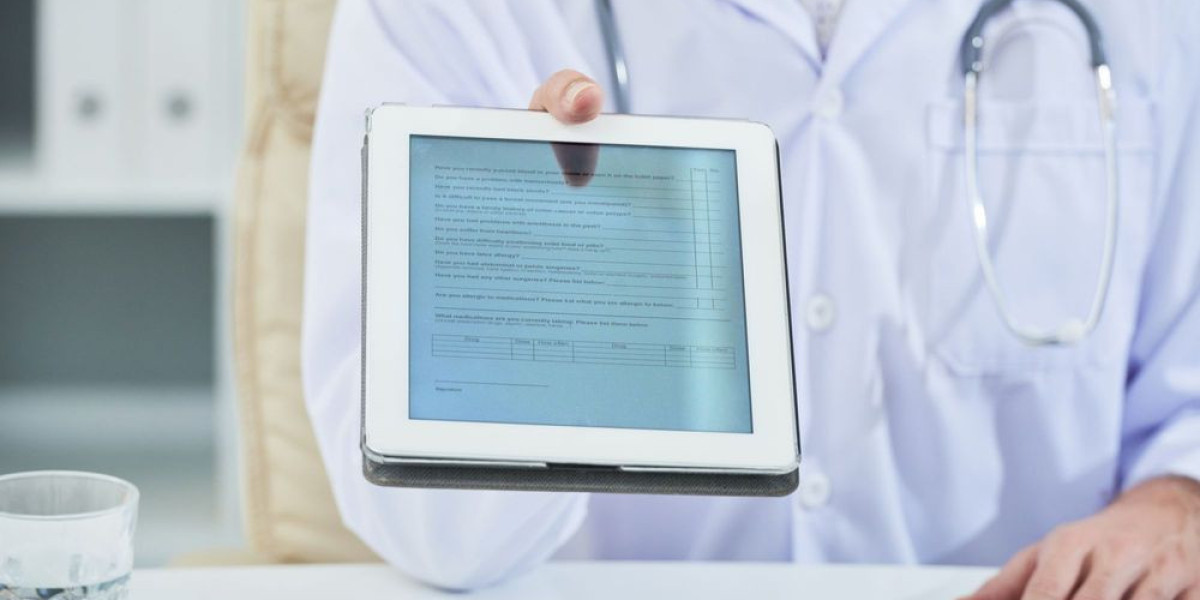
A medical scribe assists physicians by recording patient encounters, updating electronic health records (EHRs), and ensuring that documentation remains accurate and complete. This support allows doctors to focus more on patient care rather than paperwork. For medical students, this position offers a front-row view of how diagnoses are made, how treatment plans are created, and how communication between patients and providers flows in real time.
With the increasing demand for healthcare professionals, medical scribing has evolved to include both on-site and remote opportunities. The rise of the virtual medical scribe allows students to work with physicians from different specialties and even across countries, gaining a diverse learning experience without being physically present in the clinic.
How Scribing Builds Confidence for Medical Students
One of the biggest challenges medical students face is translating theoretical knowledge into practical understanding. Scribing bridges that gap by offering daily exposure to authentic clinical scenarios. Students learn to recognize patterns in symptoms, medical terminology, and documentation formats used by professionals.
This constant engagement helps build clinical confidence. Over time, medical students start to understand not only what a diagnosis means but also how physicians communicate it compassionately to patients. Observing this balance between professionalism and empathy prepares students to handle similar situations in their future careers.
Moreover, as scribes become familiar with EHR systems, they develop strong documentation skills. Knowing how to efficiently chart medical histories, examination findings, and treatment plans gives students an edge when they begin their clinical rotations or residency.
The Value of Virtual Medical Scribe Work
The role of a virtual medical scribe offers flexibility that is particularly beneficial for students managing demanding schedules. Through secure online platforms, virtual scribes join live patient encounters via audio or video, transcribing details in real time. This setup not only reduces travel time but also exposes them to various medical specialties, from family medicine to cardiology and emergency care.
Virtual scribing also strengthens communication skills. Students learn medical shorthand, structured note-taking, and how to handle confidential information responsibly. These experiences develop their multitasking and organizational abilities—skills that are essential for future physicians.
Nursing Scribe: A Growing Opportunity
While most associate scribing with physicians, the nursing scribe role is gaining attention as well. Nurses often handle significant documentation during patient admissions, discharges, and daily monitoring. Nursing scribes support these tasks, allowing nurses to focus more on patient interaction and critical care.
For medical students, working as a nursing scribe provides unique insights into the nursing perspective of healthcare. They witness how nurses coordinate care, monitor patient progress, and communicate with doctors. This fosters teamwork understanding an essential component of effective healthcare delivery.
Building Career Readiness Through Scribing
The medical scribe experience enhances not only confidence but also readiness for advanced medical training. Students who have worked as scribes often report feeling more comfortable entering clinical environments because they already understand hospital workflows, charting systems, and patient communication dynamics.
Employers and medical schools value scribing experience because it demonstrates commitment, reliability, and genuine interest in medicine. It shows that the student has gone beyond classroom learning to gain first-hand clinical exposure.
Conclusion
Working as a medical scribe, whether in a hospital, clinic, or as a virtual medical scribe, equips medical students with invaluable skills that strengthen their confidence and competence. Observing how physicians and nurses interact with patients, make decisions, and document care helps students develop a strong foundation for their future medical careers.
Additionally, roles like the nursing scribe further expand their understanding of patient care from multiple professional perspectives. Ultimately, scribing transforms observation into education—empowering future doctors to enter the medical field not just with knowledge, but with real confidence and experience.