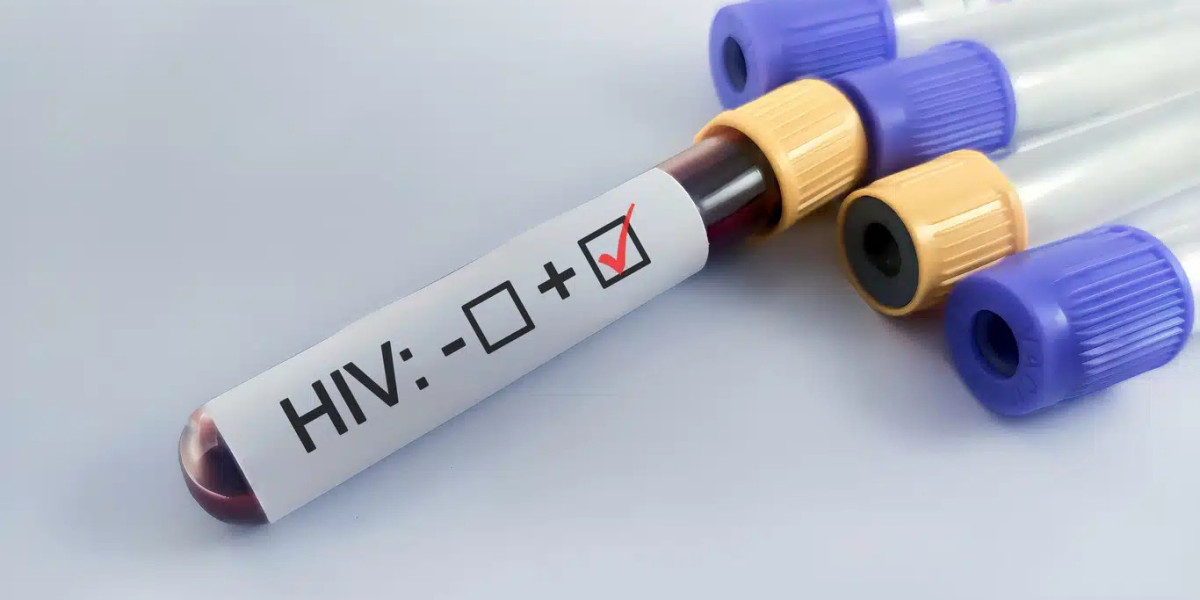

An HIV blood test is one of the most reliable ways to determine whether a person has Human Immunodeficiency Virus (HIV). Although modern HIV Blood Test in Dubai is highly accurate and widely recommended as part of preventive healthcare, many people still have questions about how HIV is diagnosed, what the results mean, and what happens after testing.
Concerns about accuracy, the window period, laboratory procedures, and follow-up care are completely normal, especially for first-time patients. Understanding how HIV diagnosis works can reduce anxiety and help individuals make informed healthcare decisions.
What Is an HIV Blood Test?
An HIV blood test is a laboratory examination designed to detect specific markers associated with HIV infection. Rather than searching for symptoms, the test analyzes a blood sample for biological evidence that the virus is present.
Depending on the type of laboratory test used, healthcare professionals may look for:
HIV antibodies produced by the immune system
The p24 antigen, which appears during early infection
HIV RNA through nucleic acid testing
These diagnostic methods allow healthcare providers to identify HIV accurately, often before symptoms become noticeable.
Why Is HIV Diagnosis So Important?
Early diagnosis gives individuals the opportunity to begin appropriate medical care before HIV significantly affects the immune system.
Without testing, HIV can remain undetected for years because many people experience no early symptoms.
Timely diagnosis helps:
Preserve immune function
Begin antiretroviral therapy (ART) early
Lower viral load
Reduce the risk of HIV-related complications
Improve overall quality of life
Support long-term health monitoring
For these reasons, healthcare professionals encourage routine HIV screening as part of preventive healthcare.
Who Should Consider an HIV Blood Test?
An HIV blood test is recommended for many adults, even if they feel healthy.
Healthcare providers may advise testing for:
Adults who have never been screened
Sexually active individuals
People with multiple sexual partners
Individuals with a possible HIV exposure
Pregnant individuals
People diagnosed with another sexually transmitted infection
Individuals who inject drugs
Healthcare workers after occupational exposure
Testing recommendations are based on individual health needs, medical history, and professional clinical assessment.
How Does an HIV Blood Test Work?
The testing process is simple and usually completed during a routine medical appointment.
After discussing your medical history, a healthcare professional collects a small blood sample from a vein using sterile equipment.
The sample is then sent to a certified laboratory where specialists analyze it using advanced diagnostic technology.
Modern laboratories follow strict quality control procedures to ensure reliable and accurate results.
Which Types of HIV Blood Tests Are Available?
Several laboratory methods are used to diagnose HIV.
Antibody Tests:
These tests identify antibodies produced by the immune system after HIV infection.
They provide highly accurate results once the immune response has fully developed.
Fourth-Generation Antigen and Antibody Tests:
These advanced tests detect both HIV antibodies and the p24 antigen.
Because the p24 antigen appears earlier than antibodies, fourth-generation testing allows earlier diagnosis and is widely used for routine HIV screening.
Nucleic Acid Tests:
Nucleic acid tests detect HIV RNA directly in the bloodstream.
Healthcare providers may recommend these tests when recent infection is suspected or additional confirmation is required.
What Is the Window Period?
One of the most frequently asked questions about HIV diagnosis involves the window period.
The window period is the time between HIV exposure and when laboratory tests can reliably detect infection.
Testing too early may produce a negative result because detectable biological markers have not yet reached measurable levels.
Healthcare professionals consider:
The timing of possible exposure
The type of HIV blood test performed
Current symptoms
Medical history
This information helps determine whether additional testing is recommended.
How Accurate Are HIV Blood Tests?
Modern HIV blood tests are extremely accurate when performed after the recommended window period.
Certified laboratories use sophisticated equipment and strict quality assurance procedures to minimize errors.
Accuracy depends on several factors:
Appropriate timing of testing
Correct laboratory procedures
Proper sample handling
Suitable test selection
Professional interpretation
Following your healthcare provider's recommendations helps ensure dependable results.
What Does a Negative Result Mean?
A negative HIV blood test means that the laboratory did not detect evidence of HIV infection at the time of testing.
If testing occurred after the appropriate window period and no recent exposure has taken place, the result is generally considered highly reliable.
However, if testing occurred shortly after possible exposure, your healthcare provider may recommend repeat testing to confirm the result.
What Does a Positive Result Mean?
A positive screening result indicates that HIV-related markers were detected during laboratory analysis.
Importantly, a positive screening result does not immediately confirm HIV infection.
Current medical guidelines require confirmatory laboratory testing before an official diagnosis is made.
This process ensures the highest level of diagnostic accuracy and helps eliminate the possibility of false-positive screening results.
What Happens After HIV Is Diagnosed?
If HIV infection is confirmed, healthcare providers develop a personalized care plan based on your overall health.
Additional medical evaluations commonly include:
Viral Load Testing:
This measures the amount of HIV present in the bloodstream and helps monitor treatment effectiveness.
CD4 Cell Count:
A CD4 cell count evaluates immune system function and assists healthcare providers in planning treatment.
Antiretroviral Therapy:
Early initiation of antiretroviral therapy (ART) helps suppress viral replication, protect immune health, and improve long-term outcomes.
Ongoing Monitoring:
Regular follow-up appointments allow healthcare providers to monitor treatment response and overall well-being.
Can HIV Be Diagnosed Before Symptoms Appear?
Yes.
One of the greatest strengths of modern HIV screening is its ability to detect infection before symptoms develop.
Many individuals with early HIV infection experience no noticeable health changes.
Routine laboratory testing remains the most reliable way to identify infection during this stage and begin treatment as early as possible.
Is HIV Screening Confidential?
Yes.
Healthcare providers and diagnostic laboratories follow strict privacy regulations to protect patient information.
Your HIV blood test results are handled confidentially, and access is limited to authorized healthcare professionals involved in your care.
Maintaining confidentiality encourages individuals to seek testing without fear of unnecessary disclosure.
What Mistakes Should Patients Avoid?
Understanding common misconceptions can help individuals make better healthcare decisions.
Avoid these mistakes:
Waiting for symptoms before getting tested
Ignoring the importance of the window period
Assuming a single negative test eliminates future screening needs
Delaying confirmatory testing after a reactive screening result
Interpreting laboratory reports without consulting a healthcare professional
Following professional guidance helps ensure accurate diagnosis and appropriate medical care.
How Can You Prepare for an HIV Blood Test?
Most HIV blood tests require very little preparation.
Helpful steps include:
Bring any requested identification
Know the approximate date of possible exposure if applicable
Carry a list of current medications
Prepare questions for your healthcare provider
Stay informed about the testing process
Being prepared can make your appointment more comfortable and reduce unnecessary anxiety.
Frequently Asked Questions:
Do I need to fast before an HIV blood test?
No. Most HIV blood tests do not require fasting unless your healthcare provider gives specific instructions.
Can HIV be diagnosed with one blood sample?
Yes. A single blood sample is usually sufficient for laboratory analysis, although additional testing may be required to confirm a reactive screening result.
Why are confirmatory tests necessary?
Confirmatory testing verifies an initial positive screening result and ensures the highest possible diagnostic accuracy.
Are modern HIV blood tests reliable?
Yes. Current laboratory testing methods provide excellent sensitivity and specificity when performed after the appropriate window period.
Why is early HIV diagnosis beneficial?
Early diagnosis allows prompt treatment, helps preserve immune function, reduces viral load, and supports better long-term health outcomes.
Conclusion:
An HIV blood Lab tests is the foundation of accurate HIV diagnosis and an essential part of preventive healthcare. By detecting HIV through advanced laboratory methods rather than relying on symptoms alone, modern HIV screening enables healthcare professionals to diagnose infection early, recommend timely treatment, and support long-term wellness. Understanding how the testing process works, the significance of the window period, and the meaning of different results empowers individuals to approach HIV screening with confidence.
Whether you are considering your first HIV blood test or seeking to understand the diagnostic process more clearly, regular screening remains one of the most effective ways to protect your health. Working closely with qualified healthcare professionals ensures accurate interpretation of results, appropriate follow-up care, and access to effective treatment whenever needed.