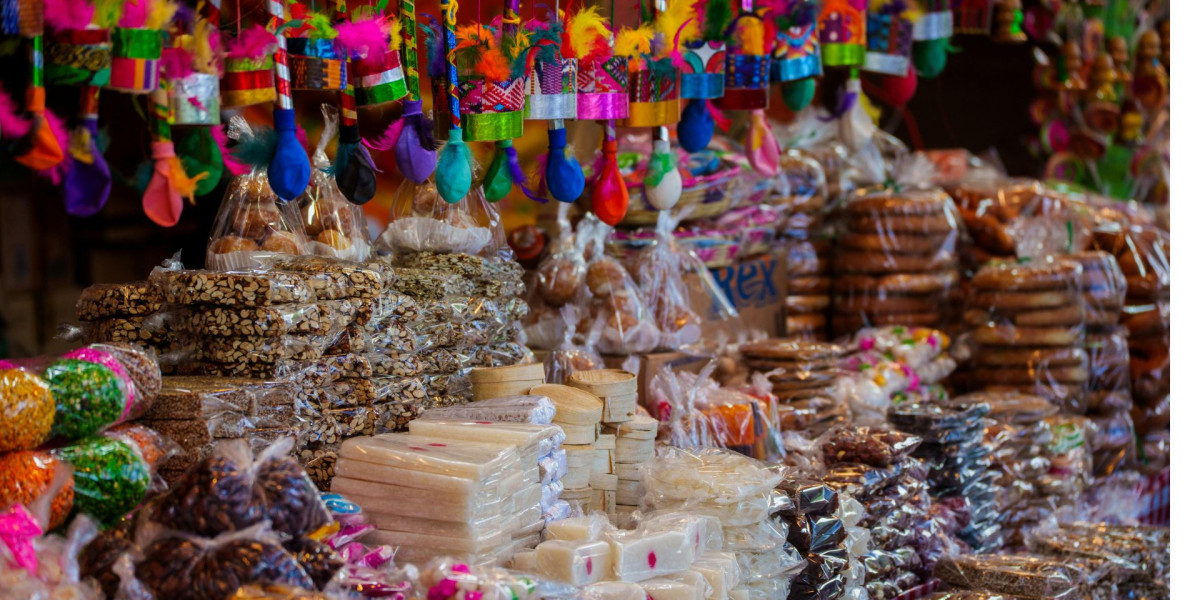

The European market for confectionery products is experiencing consistent and robust expansion, deeply rooted in centuries-old culinary traditions while simultaneously embracing modern, health-conscious, and premium consumer preferences. According to comprehensive market intelligence from Renub Research, the European Confectionery Market is projected to achieve a valuation of US$ 102.91 billion by 2034, growing significantly from its 2025 baseline size of US$ 70.94 billion.
Over the forecast period from 2026 to 2034, the market is anticipated to expand at a steady Compound Annual Growth Rate (CAGR) of 4.22%. This steady upward trajectory is driven by a surging demand for artisanal and premium sweets, predictable spikes in seasonal and festive consumption patterns, and continuous product innovations focusing on health-oriented alternatives and sustainable packaging.
Europe Confectionery Industry Overview
Confectionery products represent a diverse array of food items made primarily of sugar and sold in multiple categories, including chocolates, caramels, toffees, gummies, chewing gums, hard candies, and baked snacks. Broadly divided into sugar confectionery and chocolates, these items offer a vast spectrum of unique tastes and textures. In Europe, confectionery is not merely a food group; it holds profound cultural significance and a rich heritage that cuts across all age groups.
Europeans consume confectionery items for numerous reasons—as gifts during holidays, centerpieces for festivals, or simple daily treats. Sales witness dramatic surges during specific calendar periods, notably Christmas, Easter, and Valentine's Day, when consumers actively seek out luxurious, decorative, and exclusive specialty products. Countries with deeply established chocolate-making traditions remain epicenters of love and demand across the entire continent.
Growth Drivers for the Europe Confectionery Market
Rising Demand for Premium and Artisanal Products
The European confectionery sector is heavily propelled by an escalating consumer preference for premium and artisanal goods. There is a noticeable, long-term shift toward chocolates and sweets crafted with high-quality, ethically sourced raw materials and distinctive, exotic flavor profiles. Premium items are inherently associated with luxury, gifting, and celebration.
This trend is reinforced by strategic industry moves. For instance, brands continuously innovate with special edition releases—such as shortbread and matcha-infused chocolates that integrate regional heritage with modern luxury, commanding higher price points in markets like the UK and Germany. Craft collaborations, such as luxury chocolatiers teaming up with Michelin-starred chefs for seasonal holiday lines, further underscore the value of high-end manufacturing. Additionally, regional preferences vary; French consumers, for instance, demonstrate a distinct affinity for dark chocolate, consuming roughly 5% more than the European Union average.
Strong Seasonal and Festive Consumption Patterns
Seasonal consumption serves as a structural backbone for the European confectionery industry. Consumption levels peak drastically during major cultural and religious celebrations, including Christmas, Easter, Halloween, and Valentine’s Day, as shoppers purchase confectionery items as gifts and seasonal treats. Confectioners capitalize on this by introducing limited-edition flavors—such as calamansi, almond praliné, and blood orange Easter eggs—which extend the seasonal sales window and allow for premium pricing.
In Germany, where average per capita chocolate consumption reaches an impressive 11.9 kilograms annually, high seasonal demand is reliably met through well-planned, packaged stock. Manufacturers meticulously utilize SKU rationalization to avoid fulfillment bottlenecks in these intensely competitive retail environments. Furthermore, large-scale supply partnerships, such as iconic candy brands securing official supplier status for major European sporting events like the Tour de France, provide sustained seasonal marketing visibility.
Product Innovation and Health-Oriented Alternatives
Continuous product innovation and the development of health-conscious alternatives are critical growth drivers. As consumer health habits evolve, companies introduce novel concepts to maintain interest and capture new market segments. There is a definitive, surging demand for confectionery options containing reduced sugar, organic components, vegan formulations, gluten-free profiles, and low-calorie counts.
Major multinational players are actively restructuring their portfolio recipes; for instance, iconic spreads and confectionery lines have successfully transitioned to plant-based formulations in key European markets like Italy and Belgium. Furthermore, packaging innovation—ranging from portion-controlled packs to eco-friendly, biodegradable materials—adds significant value and addresses growing environmental concerns.
Challenges Facing the Europe Confectionery Market
Increasing Health Concerns and Sugar Regulations
A primary challenge confronting the European confectionery industry is the rising societal concern regarding excessive sugar consumption, obesity, and diabetes. In response, European governments and health authorities are applying regulatory pressure through heavy taxation on sugary goods and strict prohibitions against marketing specific high-sugar items to children.
These regulatory hurdles shrink profit margins, forcing companies to invest heavily in product reformulation. However, reformulating sweets without sacrificing taste or texture remains a formidable technical challenge, as alternative sweeteners rarely replicate the exact mouthfeel and satisfaction of traditional sugar.
Volatility in Raw Material Prices
Fluctuating global prices for essential ingredients—principally cocoa, sugar, and dairy—threaten the operational efficiency of European confectioners. These commodities are highly vulnerable to erratic climatic conditions, geopolitical instability in primary production regions, and international logistics disruptions.
When input costs spike, manufacturers face the difficult choice of absorbing extra expenses or passing price increases onto consumers. Given the high price elasticity of confectionery items, rising retail prices can quickly dampen demand and erode sales volumes.
Deep-Dive Analysis of Key Product Segments and Channels
Chocolate Confectionery Market
Chocolate commands the dominant market share across Europe, driven by favorable taste preferences and consistently high consumption rates. Europeans exhibit a strong appetite for dark, milk, white, and premium artisanal chocolates, alongside surging demand for organic and fair-trade alternatives. Continuous flavor innovation, sugar reduction strategies, and premium branding keep this segment exceptionally vibrant.
Bubble Gum and Lollipops
Bubble Gum: Driven by nostalgic marketing and steady demand among youth and adults, the bubble gum sector focuses on functional attributes such as sugar-free formulations, oral-care benefits, and re-sealable, user-friendly packaging.
Lollipops: Popular among children due to affordability and fun shapes, lollipops thrive on impulse purchases within supermarkets and convenience stores. Innovations in sugarless, organic, and vitamin-enhanced variants are broadening their demographic appeal.
Online Retail Store Market
E-commerce has transformed European confectionery shopping, accelerated further by shifts in consumer behavior following the COVID-19 pandemic. Online platforms offer access to exotic, hard-to-find luxury items, custom-made gift boxes, and convenient subscription services. Advanced logistics and specialized packaging ensure that delicate chocolates and sweets arrive intact, supported heavily by targeted digital and social media marketing.
Spotlight on Major European Country Markets
Germany: As the largest confectionery market in Europe, Germany boasts a powerful production capacity and a deep tradition of manufacturing top-tier chocolates and festive sweets. High per capita consumption, robust export channels, and a rapid embrace of organic, sugar-free, and eco-friendly products define the German market. Strategic product launches utilizing innovative cocoa substitutes continue to keep this market at the cutting edge.
United Kingdom: Characterized by a vibrant snacking culture, the UK market shows robust demand across both low-priced everyday treats and premium chocolates. Heightened health awareness drives strong interest in vegan-friendly, organic, and reduced-sugar confections, while private-label brands cater effectively to price-sensitive shoppers.
France: French confectionery is synonymous with culinary excellence, craftsmanship, and gourmet quality. High-end artisan chocolates, boutique specialty stores, and luxury gifting boxes drive the market, while organic and low-sugar alternatives gain steady traction among health-conscious consumers.
Russia: Driven by consistent everyday consumption of chocolates, candies, and biscuits, the Russian market emphasizes affordability and domestic production, alongside growing demand for luxury and imported confectionery in major urban centers.
Europe Confectionery Market Segments
Confections: Chocolate (Dark, Milk and White), Gums (Bubble Gum, Chewing Gum, Sugar-free Gum), Snack Bars (Cereal, Fruit & Nut, Protein), Sugar Confectionery (Hard Candy, Lollipops, Mints, Pastilles/Gummies/Jellies, Toffees & Nougats, Others).
Distribution Channel: Convenience Stores, Online Retail Stores, Supermarkets/Hypermarkets, Others.
Countries: France, Germany, Italy, Spain, United Kingdom, Belgium, Netherlands, Russia, Poland, Greece, Norway, Romania, Portugal, and the Rest of Europe.
Major market players, evaluated through comprehensive viewpoints (Overviews, Key Persons, Recent Developments, SWOT Analysis, and Revenue Analysis), include August Storck KG, Chocoladefabriken Lindt & Sprüngli AG, Confiserie Leonidas SA, Delica AG, Ferrero International SA, Mars Incorporated, Meiji Holdings Company Ltd, Mondelēz International Inc., Nestlé SA, and Perfetti Van Melle BV.
Frequently Asked Questions (FAQs) — Renub Research Data
1. What is the expected market size of the Europe Confectionery Market by 2034? Based on Renub Research data, the European Confectionery Market is expected to reach US$ 102.91 billion by 2034.
2. What was the recorded valuation of the European confectionery market in 2025? The market size stood at US$ 70.94 billion in 2025.
3. What is the projected Compound Annual Growth Rate (CAGR) for the market from 2026 to 2034? The market is projected to expand at a steady CAGR of 4.22% from 2026 to 2034.
4. What primary factors are driving growth in the European confectionery sector? Key growth catalysts include the rising preference for premium and artisanal products, strong seasonal and festive consumption patterns (Christmas, Easter, Valentine's Day), and continuous product innovations focusing on health-oriented, reduced-sugar alternatives.
5. Which country represents the largest confectionery market in Europe? Germany is recognized as the largest confectionery market in Europe, driven by high per capita consumption, massive production capacity, and advanced retail distribution networks.
6. What are the major challenges restricting market expansion? The industry faces significant headwinds from rising health concerns linked to sugar intake, strict government regulations/taxation, and severe price volatility in raw materials like cocoa and sugar.
7. Which prominent companies are actively analyzed within the European confectionery market report? Key players include August Storck KG, Chocoladefabriken Lindt & Sprüngli AG, Confiserie Leonidas SA, Delica AG, Ferrero International SA, Mars Incorporated, Meiji Holdings Company Ltd, Mondelēz International Inc., Nestlé SA, and Perfetti Van Melle BV.