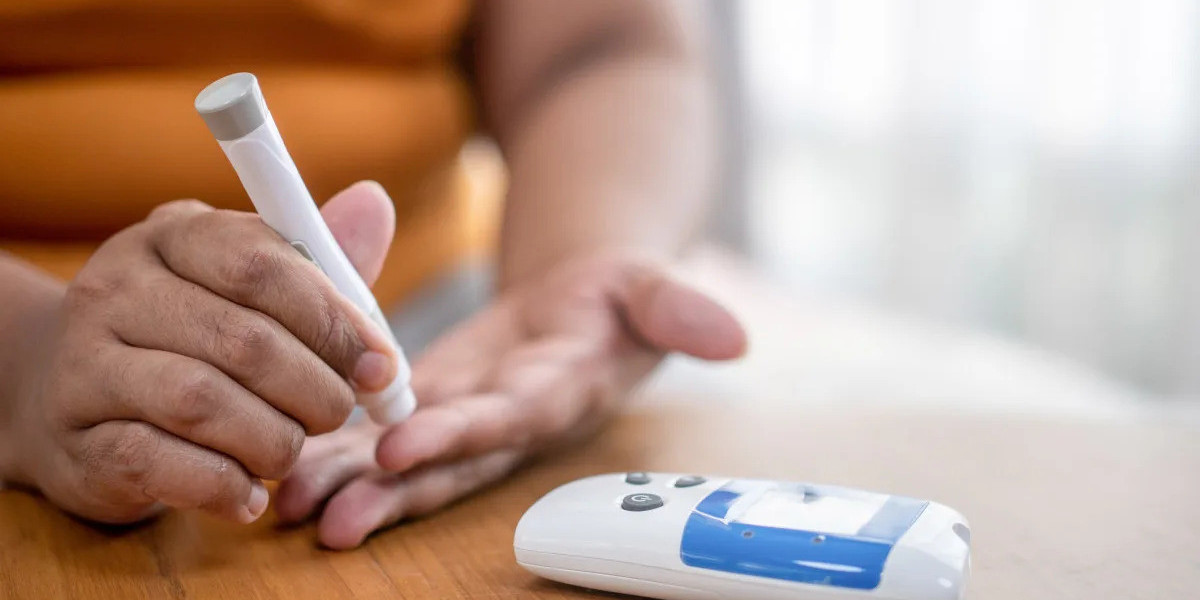

A blood sugar test is more than a routine laboratory examination—it is a powerful health monitoring tool that provides valuable information about how your body manages glucose. Whether you are attending an annual health checkup, screening for diabetes, monitoring prediabetes, or managing an existing medical condition, understanding your Blood Sugar Test in Dubai is an important step toward making informed healthcare decisions.
Abnormal blood sugar often develops gradually, with few noticeable symptoms during its early stages. This makes regular blood glucose testing one of the most effective ways to identify metabolic changes before they lead to long-term complications. Combined with healthy lifestyle choices and regular medical guidance, blood sugar monitoring helps improve overall wellness and supports lifelong disease prevention.
This guide explores the essential insights every individual should know about blood sugar testing, including its purpose, testing methods, influencing factors, result interpretation, and practical strategies for better health management.
Understanding Blood Sugar and Its Role in the Body:
Blood glucose is the body's primary energy source. Every meal containing carbohydrates is converted into glucose, which enters the bloodstream and fuels essential organs, muscles, and the brain.
The pancreas produces insulin, a hormone responsible for helping glucose move into body cells. When insulin production decreases or the body develops insulin resistance, glucose remains in the bloodstream instead of being used efficiently for energy.
A blood sugar test evaluates how effectively this process is working and helps healthcare professionals detect abnormalities that may require medical attention.
Maintaining healthy blood glucose levels contributes to better cardiovascular health, kidney function, nerve health, vision, and overall metabolic balance.
Why Blood Sugar Monitoring Matters Throughout Life?
Many people associate blood sugar testing only with diabetes, but routine monitoring offers benefits for individuals at every stage of life.
Regular testing helps:
Detect prediabetes before symptoms develop
Diagnose diabetes early
Evaluate unexplained fatigue or excessive thirst
Monitor treatment effectiveness
Assess long-term metabolic health
Guide preventive healthcare strategies
Reduce the risk of chronic disease complications
Because glucose regulation changes with age, lifestyle, and medical conditions, periodic monitoring provides valuable insight into your overall health.
When Should You Consider a Blood Sugar Test?
Healthcare providers may recommend blood glucose testing even when no symptoms are present.
Testing is especially valuable for individuals who:
Are over the age of 35
Have a family history of diabetes
Are overweight or obese
Have high blood pressure
Have elevated cholesterol
Live a sedentary lifestyle
Experienced gestational diabetes
Have polycystic ovary syndrome (PCOS)
Have cardiovascular disease
Routine screening allows healthcare professionals to detect changes before complications develop.
Recognizing Symptoms of Blood Sugar Imbalance:
Although many people experience no symptoms during the early stages of abnormal blood glucose, certain warning signs should never be ignored.
These include:
Frequent urination
Excessive thirst
Constant fatigue
Blurred vision
Slow-healing wounds
Frequent infections
Increased hunger
Unexplained weight loss
Tingling sensations in the hands or feet
Prompt evaluation helps identify the underlying cause and supports early intervention.
Exploring the Different Blood Sugar Testing Methods:
Healthcare professionals use several blood glucose testing methods depending on the purpose of the evaluation.
Fasting Blood Sugar Test:
Performed after at least eight hours without food, this test provides a baseline measurement of blood glucose and is commonly used for diabetes screening.
Random Blood Sugar Test:
This method measures blood glucose regardless of meal timing and is often used when symptoms are already present.
HbA1c Test:
Unlike tests that measure glucose at one moment, the HbA1c test reflects average blood sugar over approximately two to three months, making it useful for long-term monitoring.
Oral Glucose Tolerance Test:
This test evaluates how effectively your body processes glucose after consuming a glucose-rich beverage and is commonly performed during pregnancy or when diabetes is suspected.
Each testing method offers unique information that helps healthcare providers evaluate metabolic health accurately.
Factors That Can Influence Blood Sugar Results:
Blood glucose is influenced by several everyday factors beyond food intake.
Nutrition:
Balanced meals containing vegetables, fruits, legumes, lean proteins, healthy fats, whole grains, and dietary fiber help maintain stable blood glucose, while highly processed foods and sugary beverages may contribute to rapid glucose increases.
Physical Activity:
Exercise increases insulin sensitivity and allows muscles to use glucose more efficiently. Regular movement supports healthy blood sugar regulation.
Stress:
Emotional stress triggers the release of hormones such as cortisol and adrenaline, temporarily increasing blood glucose levels.
Sleep:
Poor sleep quality may reduce insulin sensitivity and interfere with healthy glucose metabolism.
Hydration:
Proper hydration supports healthy circulation and kidney function, helping maintain balanced blood glucose levels.
Medications:
Certain prescription medications may temporarily increase or decrease blood sugar. Always inform your healthcare provider about medications before testing.
Preparing for Accurate Blood Sugar Testing:
Proper preparation improves the reliability of laboratory results.
Depending on the specific test ordered, your healthcare provider may recommend:
Fasting overnight
Drinking water before testing
Continuing medications as instructed
Avoiding sugary beverages
Reporting recent illnesses
Limiting strenuous exercise before testing when advised
Following preparation instructions helps ensure meaningful and accurate blood glucose measurements.
How Healthcare Providers Interpret Results?
Blood sugar test results are never evaluated in isolation.
Healthcare professionals consider several important factors, including:
Age
Family history
Medical conditions
Current symptoms
Lifestyle habits
Previous blood glucose results
Pregnancy status
Medication use
This comprehensive assessment allows healthcare providers to determine whether additional testing, monitoring, or treatment is appropriate.
Lifestyle Strategies for Better Blood Sugar Management:
Blood sugar testing identifies potential concerns, but long-term health depends on consistent lifestyle habits.
Focus on Balanced Nutrition:
Choose nutrient-rich foods that provide vitamins, minerals, antioxidants, lean protein, healthy fats, and dietary fiber while limiting refined carbohydrates and added sugars.
Make Physical Activity Part of Your Routine:
Aim for at least 150 minutes of moderate exercise every week. Walking, cycling, swimming, dancing, and strength training all contribute to improved glucose metabolism.
Maintain a Healthy Weight:
Healthy weight management improves insulin sensitivity and reduces the risk of type 2 diabetes.
Prioritize Quality Sleep:
Adults should aim for seven to nine hours of restful sleep each night to support healthy hormone regulation.
Reduce Stress:
Mindfulness, meditation, deep breathing exercises, yoga, and spending time outdoors can help reduce stress-related blood glucose fluctuations.
Schedule Preventive Health Checkups:
Routine medical appointments allow healthcare providers to monitor blood glucose and identify changes before serious complications develop.
Common Mistakes to Avoid:
Many individuals unintentionally reduce the value of blood sugar testing by making avoidable mistakes.
Examples include:
Ignoring fasting instructions
Skipping follow-up appointments
Assuming one normal result guarantees lifelong health
Self-adjusting medications without medical advice
Delaying testing despite symptoms
Overlooking the importance of healthy lifestyle habits
Avoiding these mistakes supports more effective health management.
Frequently Asked Questions:
Is blood sugar testing only necessary for people with diabetes?
No. Blood sugar testing is an important preventive healthcare tool that helps identify prediabetes, monitor metabolic health, and detect glucose abnormalities before symptoms develop.
How often should blood sugar be tested?
Testing frequency depends on age, medical history, family history, symptoms, and individual risk factors. Your healthcare provider will recommend a personalized schedule.
Can healthy lifestyle habits improve blood sugar?
Yes. Balanced nutrition, regular exercise, healthy weight management, stress reduction, proper hydration, and quality sleep all contribute to healthier blood glucose levels.
Does one abnormal result confirm diabetes?
Not necessarily. Healthcare providers often repeat testing or perform additional laboratory evaluations before confirming a diagnosis.
Building a Long-Term Health Monitoring Plan:
Successful health management involves more than occasional testing.
A comprehensive monitoring plan includes:
Routine blood sugar screening
Regular medical checkups
Blood pressure monitoring
Cholesterol evaluation
Balanced nutrition
Consistent physical activity
Healthy sleep habits
Weight management
Ongoing communication with healthcare professionals
Together, these practices provide a complete picture of your metabolic health and support early intervention when necessary.
Conclusion:
A blood sugar Lab tests is one of the most valuable tools available for protecting long-term health. By measuring how effectively your body regulates glucose, this simple test provides essential information that supports early detection of diabetes, identifies prediabetes, monitors treatment progress, and helps prevent serious complications affecting the heart, kidneys, eyes, nerves, and blood vessels.
Understanding the purpose of blood sugar testing empowers you to make informed decisions about your health. When combined with balanced nutrition, regular exercise, quality sleep, effective stress management, proper hydration, and routine medical care, blood glucose monitoring becomes an essential part of lifelong wellness. Rather than waiting for symptoms to appear, adopting a proactive approach to health management allows you to reduce future risks, improve quality of life, and build a healthier future through informed choices and preventive care.