
Introduction
An Uber clone app is not just a taxi booking app. It is a complete ride-hailing system where riders, drivers, dispatchers, fleet owners, and admins work together through one connected platform. For startups and transport businesses, this model offers a faster way to launch an on-demand cab service with real-time booking, GPS tracking, fare calculation, secure payments, driver matching, and business control.
The ride-hailing industry continues to show strong demand. Uber reported 3.6 billion trips in Q1 2026, with gross bookings reaching $53.7 billion and revenue reaching $13.2 billion. This shows how deeply app-based mobility has become part of daily transportation habits.
For entrepreneurs, the opportunity is not to copy Uber exactly. The smarter approach is to build a branded ride-hailing platform that solves a specific transport problem in a local market, city, region, or niche.
What Is an Uber Clone App?
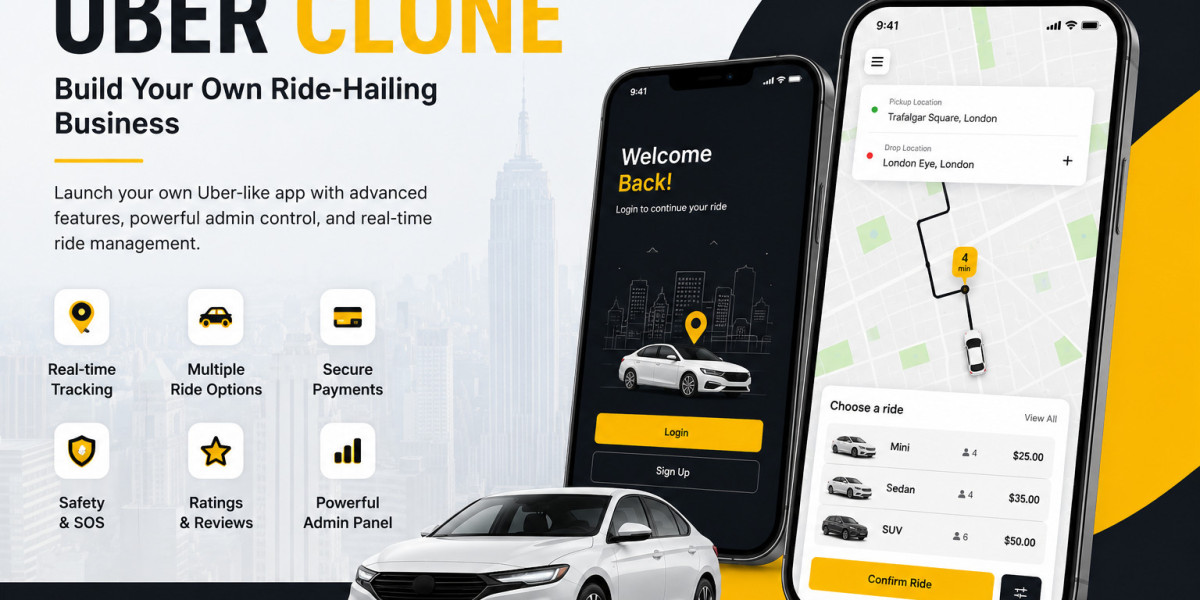
An Uber clone app is a white-label taxi booking and ride-hailing solution that helps businesses launch their own cab booking platform. It usually includes a rider app, driver app, admin dashboard, dispatcher panel, fleet panel, payment system, trip management, and real-time tracking.
The rider app allows users to book rides, choose pickup and drop-off points, select ride types, view fare estimates, track drivers, make payments, and rate the ride. The driver app helps drivers accept requests, navigate routes, manage availability, view earnings, and complete trips. The admin panel gives the business owner control over users, drivers, vehicles, fares, payments, reports, promotions, and platform settings.
Miracuves describes its Uber clone solution as a customizable ride-hailing platform with daily rides, shared pool rides, rentals, outstation rides, driver subscriptions, real-time tracking, and payment options like cash, card, and wallet.
Why Startups Choose Uber Clone App Development
Building a ride-hailing platform from scratch can be complex because every feature depends on live movement. A rider request must reach nearby drivers quickly. Driver location must update in real time. The fare must be calculated correctly. Payments must be secure. Admins must be able to monitor operations without delay.
An Uber clone app gives startups a ready foundation. Instead of spending months only building basic booking, payment, and tracking modules, businesses can focus on branding, driver onboarding, service quality, launch strategy, and customer acquisition.
This approach is useful for local taxi operators, airport transfer businesses, electric vehicle fleets, corporate transport providers, car rental companies, bike taxi startups, and regional mobility businesses.
Core Features of an Uber Clone App
A strong Uber clone app should make ride booking simple for users and operations manageable for business owners. The most important feature is real-time ride booking. Users should be able to open the app, select a destination, view ride options, check estimated fare, and confirm the booking quickly.
Live GPS tracking is another essential feature. Riders want to know where the driver is and how long it will take to arrive. Drivers need navigation support. Admins and dispatchers need visibility into active rides. Miracuves highlights live driver tracking, AI-powered route optimization, predictive pricing, secure digital transactions, multi-language support, emergency SOS, and in-app chat support as important Uber clone features.
Fare calculation should also be flexible. A ride-hailing platform should support base fare, distance fare, time fare, waiting charges, cancellation charges, taxes, promo codes, wallet adjustments, and surge pricing. This helps the business adjust pricing based on city, ride type, demand, and operating cost.
Other important features include scheduled rides, ride history, driver ratings, digital receipts, wallet payments, referral programs, push notifications, driver verification, and multi-stop booking.
Rider App: Keep the Booking Flow Simple
The rider app must be fast, clean, and easy to understand. Users should not struggle to book a ride. A good rider journey starts with location selection, shows available ride options, displays estimated fare, confirms the driver, tracks the ride, handles payment, and collects feedback.
Useful rider-side features include:
- User registration and login
- Pickup and drop-off selection
- Vehicle category selection
- Fare estimate before booking
- Live driver tracking
- In-app chat or call support
- Multiple payment options
- Ride cancellation
- Ratings and reviews
- Ride history and invoices
The goal is to reduce friction. If users can book in fewer steps and trust the fare, they are more likely to return.
Driver App: Make Earning Easier
The driver app is just as important as the rider app. If drivers find the app confusing, ride cancellations and delays will increase. A strong driver app should help drivers receive ride requests, accept or reject bookings, follow routes, contact riders, manage availability, and track earnings.
Important driver features include real-time ride alerts, navigation, trip status updates, earnings dashboard, completed ride history, payout tracking, ratings, and support access.
Drivers are the supply side of the platform. If they receive steady bookings, clear earnings, and a smooth app experience, they are more likely to stay active.
Admin Panel: The Control Center of the Business
The admin panel is where the ride-hailing business is managed. Without a strong admin dashboard, the platform owner cannot control quality, pricing, drivers, disputes, or growth.
Admins should be able to manage riders, drivers, vehicles, payments, commissions, promo codes, cancellations, reports, and support requests. Miracuves also lists admin-side capabilities such as analytics, fleet management, dynamic pricing control, user management, reports, and promotional campaigns.
A powerful admin panel helps the business owner understand what is happening across the platform. Which areas have high demand? Which drivers are most active? Which rides are getting cancelled? Which promotions are working? These insights help improve operations.
Revenue Models for an Uber-Like Platform
An Uber clone app can support multiple revenue models. The most common model is commission-based earning, where the platform takes a percentage from each completed ride.
Another model is driver subscription. In this model, drivers pay a recurring fee to access the platform, receive more visibility, or get steady ride opportunities. This can create predictable revenue for the business.
Other revenue options include surge pricing, cancellation fees, premium ride categories, corporate ride partnerships, airport ride packages, advertisements, featured driver plans, and fleet partnerships.
The best revenue model depends on the market. A budget taxi app may focus on high ride volume and low commission, while a luxury chauffeur or airport transfer platform may focus on premium bookings.
How to Make Your Uber Clone App Stand Out
The biggest mistake is launching a generic taxi app with no clear difference. Large ride-hailing companies already have strong brand awareness, so a new platform needs sharper positioning.
You can build an Uber-like platform for:
- Women-safe rides
- Electric vehicle taxis
- Corporate employee transport
- Airport transfers
- Student transportation
- Medical transport
- Bike taxis
- Luxury chauffeur services
- Regional taxi networks
- Rental and outstation rides
A focused niche makes marketing easier. Users are more likely to try a new platform when it solves a specific problem better than existing options.
Final Thoughts
An Uber clone app can help startups and transport businesses launch a modern ride-hailing platform with rider apps, driver apps, live tracking, secure payments, dispatch workflows, admin control, and scalable mobility features.
But success does not come from copying Uber screen by screen. It comes from understanding your target market, onboarding reliable drivers, offering transparent pricing, improving safety, and giving riders a reason to book again.
For entrepreneurs who want to enter the mobility space, an Uber clone app can become the technical foundation for a branded ride-hailing business built around speed, trust, convenience, and local market demand.